
Purpose
Kalamazoo College is a campus committed to a sustainable future – a future in which the students, faculty, and staff who call this community their home may interact with the College in ways that are mutually beneficial for both people and planet. A guiding force of that interaction is the College’s Climate Action Plan (CAP), which ensures that our core value of sustainability is interwoven with all aspects of campus life. This document serves to report out on the progress made under the Climate Action Plan, demonstrating the steps we have made and the goals for which we strive.
Highlighting tangible changes that align with the four goals of the CAP, this report is intended to educate the greater campus community and beyond about environmental action at Kalamazoo College.
What is a Climate Action Plan?
“A climate action plan is a framework document for measuring, tracking, and reducing greenhouse gas emissions and adopting climate adaptation measures. These documents are used as a framework to guide administrative bodies in addressing the impact of climate change in their communities. Climate action plans typically include targets for reducing greenhouse gas emissions and detailed steps for meeting and tracking those targets. Climate plans are a crucial tool for tracking and meeting global climate goals. They can be applied at a wide range of different institutional levels, but the positive effects of a climate action plan will only be realized if the programs and goals within the document are implemented by government, university, or community institutions.”
Climate Check, 2022
2024-2025 Climate Action Plan Committee
Throughout the 2024-2025 academic year, the Climate Action Plan Committee has continued to implement the 5-year Climate Action Plan across the campus community. Through campus gatherings, partnerships with student and community organizations, and experiential opportunities, the CAP Committee furthered the sustainable progress of the Kalamazoo College Community.
- Andy Brown – News and Social Media Director
- Josie Belsky – K’28 Environmental Stewardship Intern
- Greta Farley – Coordinator, Larry J. Bell ’80 Environmental Stewardship Center
- Richard Koenig – Professor of Art
- Susan Lindemann – AVP for Facilities Management & Chief Sustainability Officer
- Mia Pierce – K’26, Environmental Stewardship Intern
- Sara Stockwood – Director, Larry J. Bell ’80 Environmental Stewardship Center
- Darshana Udayanganie – Assistant Professor of Economics
- Emerson Wesselhoff – K’25, Environmental Stewardship Intern
Our Climate Action Plan
With the overarching goal of carbon neutrality, this document is intended to outline actionable steps towards attainment, with realistic outcomes. These interim goals consider the progress that has been achieved over the past ten years, areas that need targeted effort to stay on track, and what is possible with current technology and resources. The College maintains the aspiration to outperform these goals, as the climate crisis presents a mounting threat.
Goals:
- Greenhouse Gas Goal
- Resource Conservation Goal
- Learning Goal
- Environmental Responsibility Goal
CAP Matrix
The plan is laid out in a matrix that provides a high-level view of each item. The matrix format allows easy and accessible viewing of the CAP and its goals, as well as the actionable steps that are being taken to achieve those goals. This format is also particularly conducive to highlighting progress on each action item. To view the CAP Matrix, available on the Climate Action Plan website, please visit: 5-Year Climate Action Plan Matrix
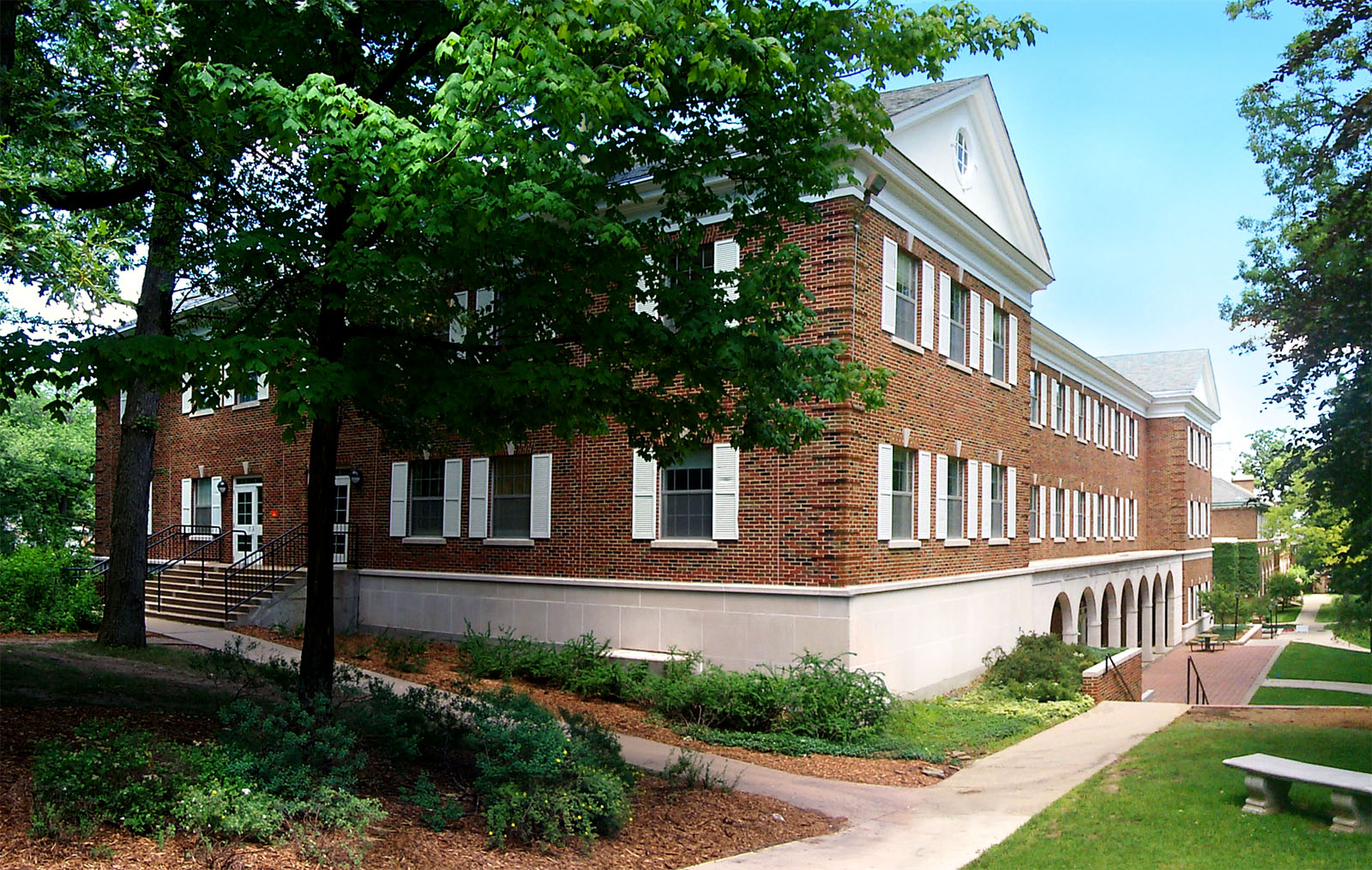
Greenhouse Gas Goal: Reduce GHG emissions by 35% of 2008 levels by fiscal year end 2028.
One of the primary goals of the Climate Action Plan is the Greenhouse Gas Goal, which outlines plans to “continually work to reduce GHG emissions to achieve carbon neutrality by 2050.” In the interim, the GHG goal aims to “reduce GHG emissions by 35% of 2008 levels by fiscal year end 2028.”
Essential to the GHG goal is thorough and accurate reporting of our GHG emissions; this is the basis of the college’s carbon reporting and this document.
The Reporting Mechanism
Where Are We Reporting Our Footprint?
Kalamazoo College utilizes a nation-wide program called SIMAP, or the Sustainability Indicator Management and Analysis Program, to report our emission’s data. SIMAP provides public reporting for the President’s Climate Commitment.
“SIMAP® is a carbon and nitrogen-accounting platform that can track, analyze, and improve campus-wide sustainability. Our proven algorithms, based on nearly two decades of work supporting campus inventories, helps create a baseline, benchmark performances, create reports, set goals, and analyze progress year over year.”
To view our SIMAP report, please visit: Kalamazoo College Carbon Reports
SIMAP is run by the University of New Hampshire’s Sustainability Institute. Over 100 universities and institutions around the world are reporting through SIMAP.
Carbon Report Components
Gross Carbon Equivalent: Total emissions (total gross emissions and gross emissions normalized per 1000 square feet), including all fossil fuel combustion from campus activity.
Scopes:
- Scope 1: Direct emissions from sources that K College owns or controls directly (Fuels: refrigerants, natural gas, running vehicles, etc.)
- Scope 2: Emissions that K College causes indirectly from where the energy is purchased and produced (electricity: from coal and natural gas and renewable energy)
- Scope 3: All other emissions that occur due to the nature of the operations of K College (business travel, commuting, waste, study abroad travel, etc.)
Categories: CO2 emissions per types of campus activity.
Gross Carbon Graphs
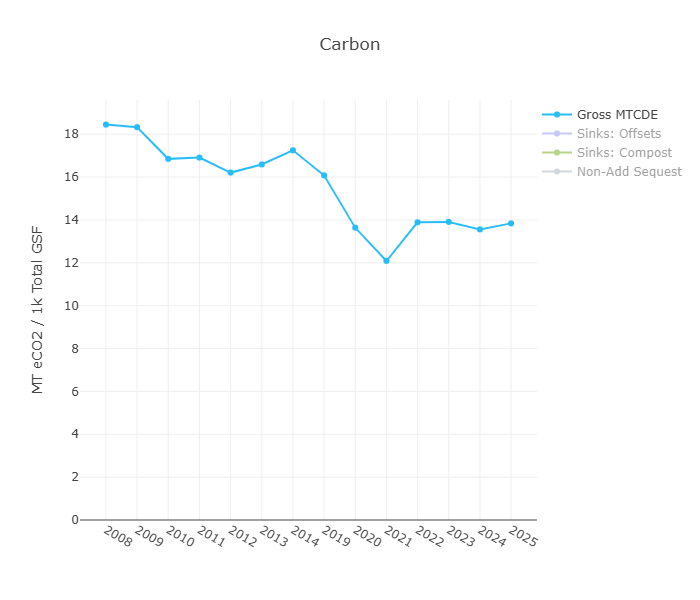
Total emissions (total gross emissions and gross emissions normalized per 1000 square feet), including all fossil fuel combustion from campus activity.
Figure 1: Gross Carbon per Year
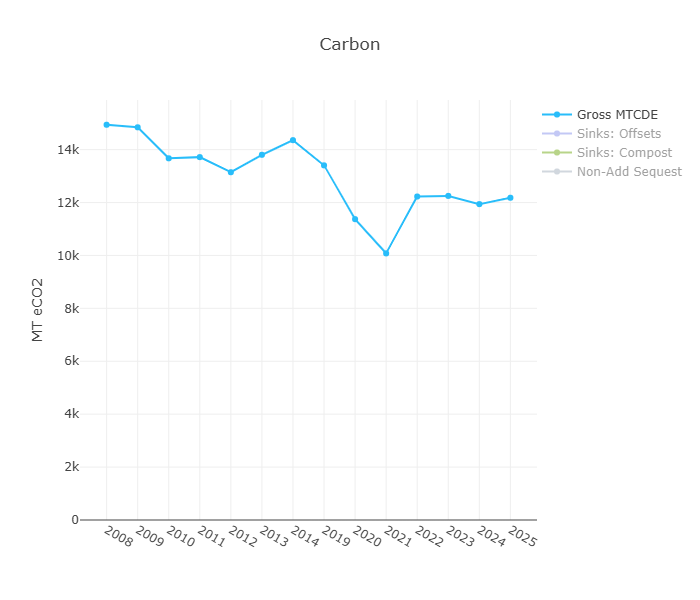
Figure 2: Gross Carbon per Year Normalized per 1000 Sq Ft
Key Takeaways:
- Both figures show the College’s carbon emissions by year. Note that while both scales start at 0, they differ in magnitude.
- From 2008 to 2022 the College’s square footage increased by 69,386 sq ft.
- There were minimal changes from FY22 to FY25.
- Figure 1 shows Total Gross Carbon per year.
- Figure 2 shows Gross Carbon normalized per 1000 square feet.
Scopes
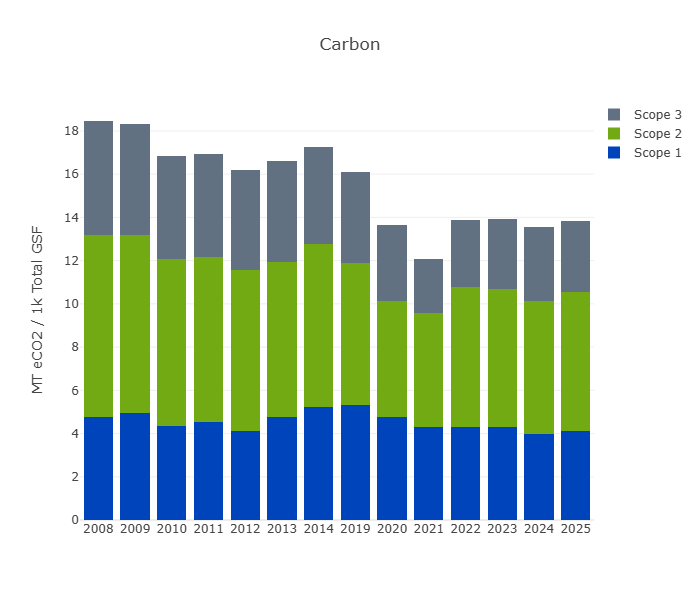
The “scopes” data records CO2 emissions based on type of fossil fuel use, which falls into three categories.
Figure 3: Scopes data displaying carbon emissions per 1000 sq ft from varying fossil fuel usages, measured in metric tons.
Key Takeaways:
- Scope 1 represents fuels, Scope 2 represents electricity and renewable energy, and Scope 3 represents all other fossil fuel emissions (business travel, commuting, waste, etc.)
- The winter of FY25 was 15% colder than the winter of FYE 24, which would account for the 3.5% increase in scope one (largely natural gas consumption) usage as well as the 4.4% increase in scope two (largely electricity). Other factors to consider include large scale auxiliary de-humidification in the Light Fine Arts building and an increase in window air conditioner use on campus, for which data does not exist to measure the direct impact.
Categories
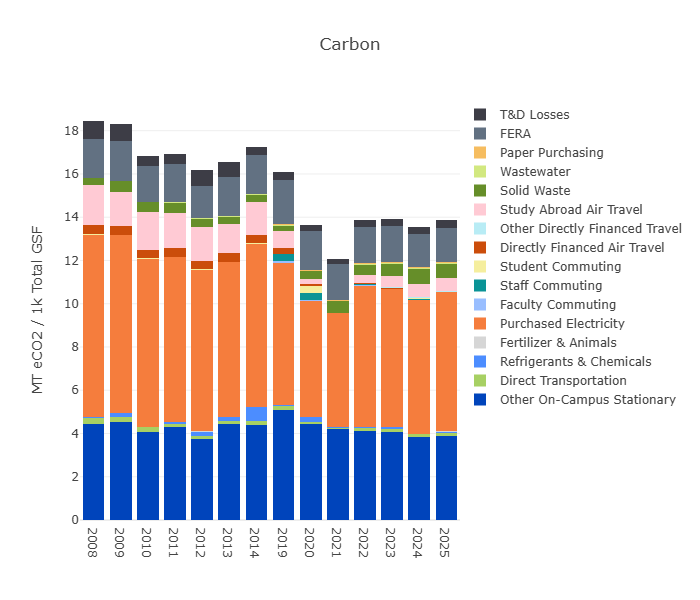
The “categories” data records CO2 emissions per types of campus activity.
Figure 4: Categorical data displaying the level of emitted CO2 per campus activity per 1000 sq ft, measured in metric tons.
Key Takeaways:
- These categories showcase the criteria included in measurements of the three Scopes. They are also normalized per 1000 square feet.
- Most categories remained consistent from FY24 to FY25. While many remain static without massive operational changes, it is important to note that many of the current objectives are aligned with the larger categories, such as waste reduction – there is progress to be made.
Greenhouse Gas Goal: Reduce GHG emissions by 35% of 2008 levels by fiscal year end 2028.
In addition to the carbon report data, progress on the goals listed under the Greenhouse Gas Goals are noted below:
- The personal heater policy was submitted to the President’s Staff for review which establishes standard temperatures ranges across campus and prohibiting the use of personal heaters to exceed those ranges, as well as requiring all necessary heaters to meet specific safety and energy efficiency requirements.
- Across campus, 263,696 gsf (gross square feet) have been pulled off central steam since 2020. This includes the natatorium, Crissey, Severn, Humphrey House, OU, DeWaters, and Light Fine Arts.
- All new appliance level refrigeration units are R290 (that we purchase). All new cooling and refrigeration equipment installed by Facilities Management uses R290 refrigerant. As a sustainable alternative to synthetic refrigerants, R290 has low GWP (global warming potential) and low ODP (ozone depletion potential) and is roughly 15% more energy efficient.
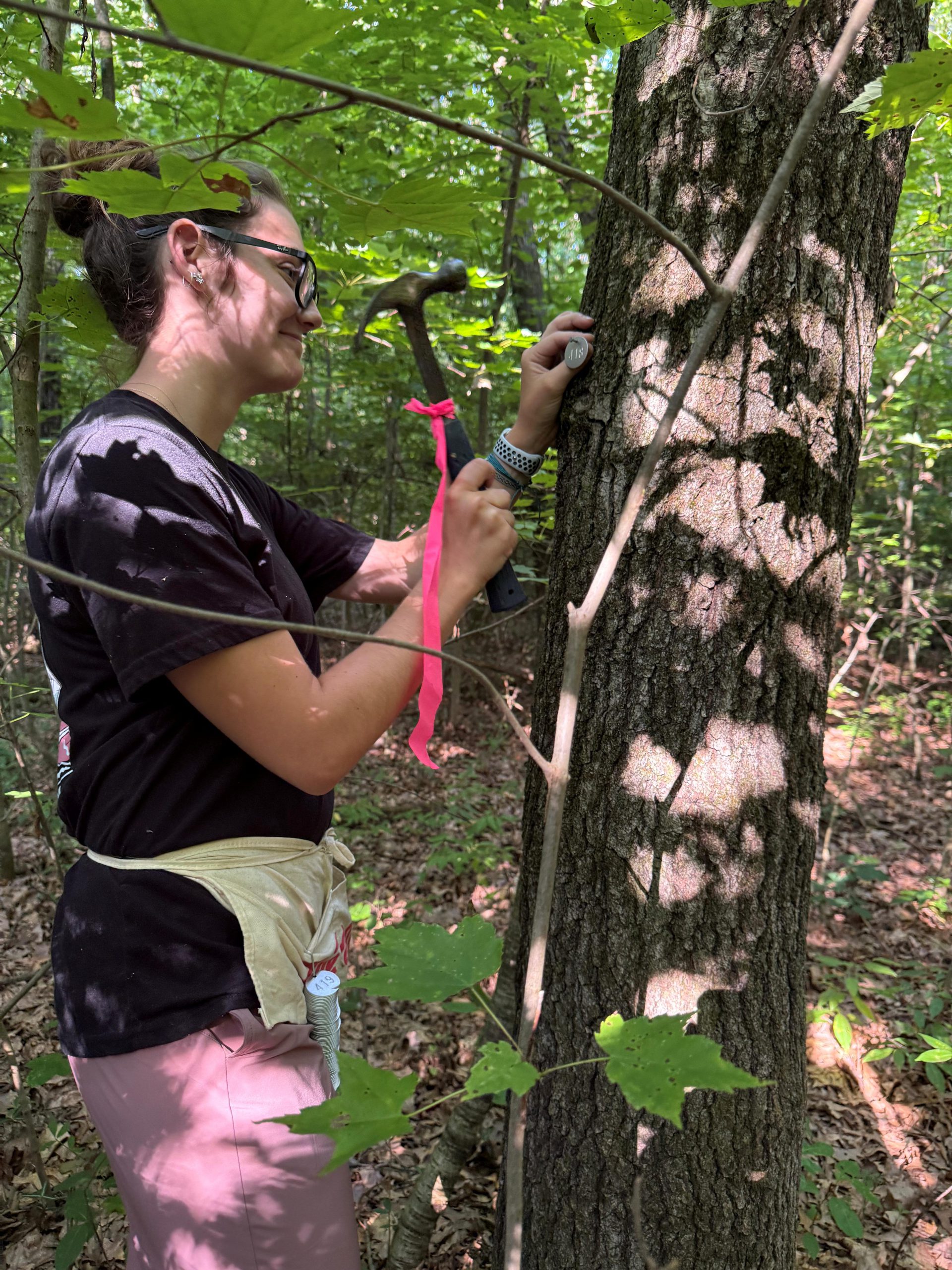
- Arboretum CO2 Sequestration survey is in process (4th survey since 2009). A class in fall 2024 created apps to interact with tree data on campus and at the Arb; the Arb app is being used for CO2 survey.
- Every building on campus now has complete electrical metering. This will provide data necessary to target energy saving opportunities.
Resource Conservation Goal: Provide leadership in Resources Conservation measures for campus operations.
In addition to the carbon report data, progress on the goals listed under the Resource Conservation Goals are noted below:
- Campus-wide helium policy is in place, with considerations for departmental use.
- New recycling flyer/sticker created and put on recycle bins across campus.
- The design for the two new residence halls has a variety of sustainable features, most prominently; the geothermal system, solar panel bank, mass timber, native landscaping, a green roof, and more.
- Composting and recycling websites have been redesigned and updated.
- On-campus and industrial composting grew from FY 2024 with 327,962.85 lbs of food waste composted by My Green Michigan and 8,299.25 lbs of food waste composted on campus. A new My Green Michigan pickup location was established.
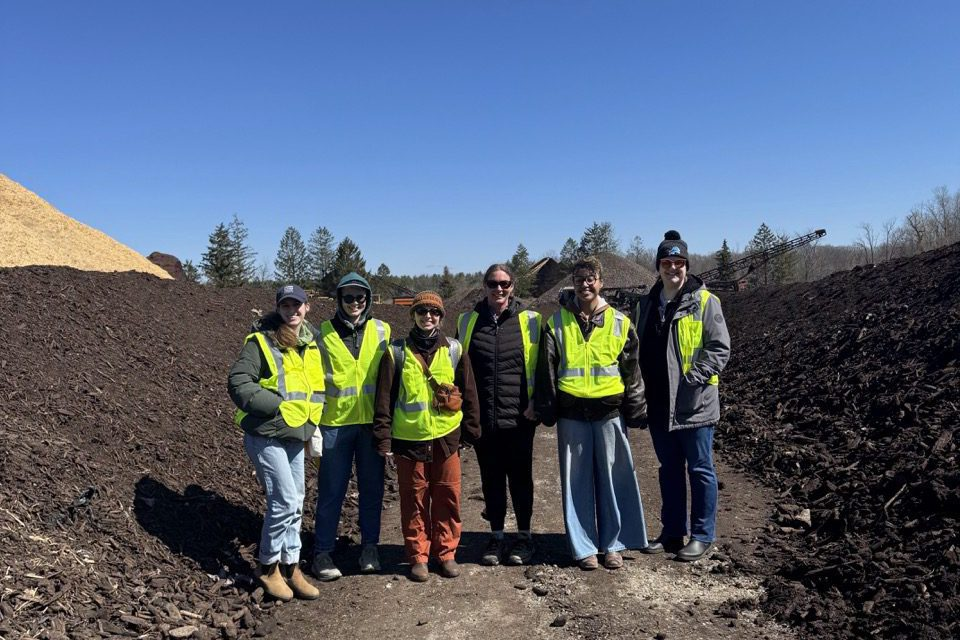
- Facilities, ESC and students visited My Green Michigan to learn more about industrial composting.

Learning Goal: Work toward exposing every Kalamazoo College student to the study of issues related to climate/climate change, ensuring that Kalamazoo College graduates will possess climate literacy.
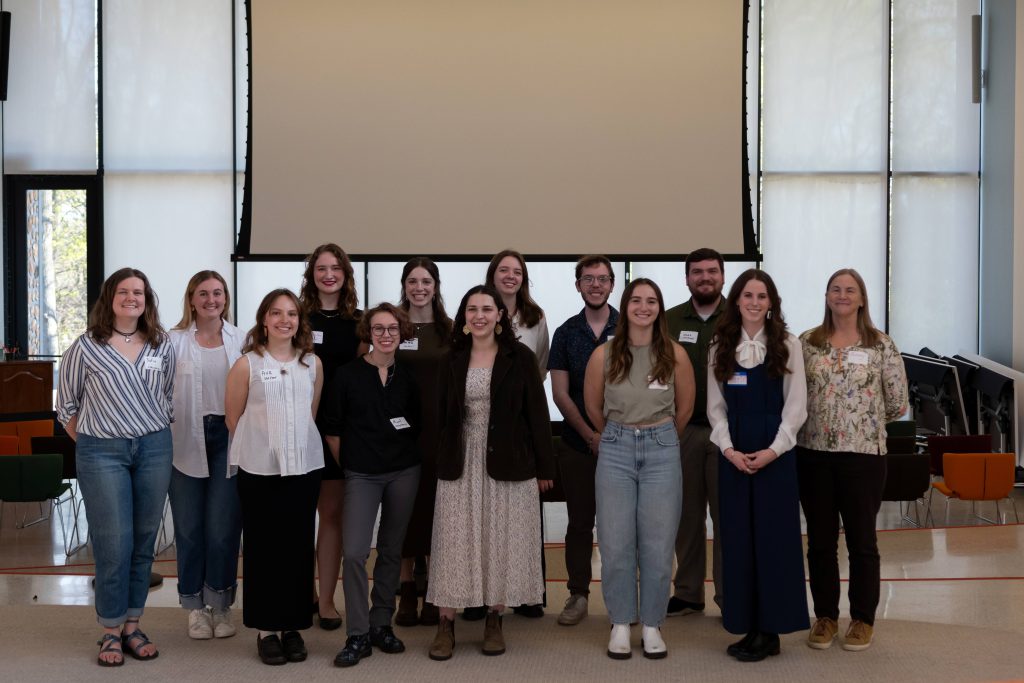
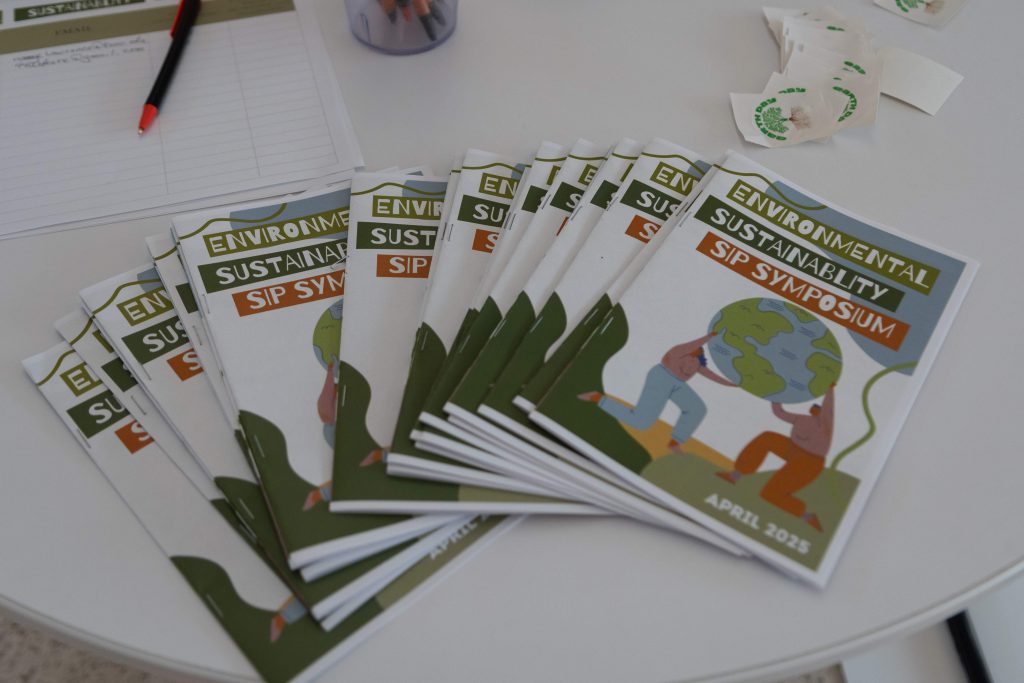
- The Environmental Studies Department re-structured the yearly Sustainability SIP Symposium, increasing both the number of projects showcased and overall attendance.
- The Biology Department underwent their first full year offering the BIOL-200 Climate Biology Course.
- The Climate & Justice Education Week had 44 courses participating in the teach-in.
- Experiential eduaction opportunities continued, with ongoing Open Gardening hours at the Hoop House as well as the composting and Arboretum P.E. classes.
- The Environmental Stewardship Center launched two new, offerings for climate education: bi-weekly Sustainability Chats, and the Climate Connection Series events.
Environmental Responsibility Goal: Develop campus-wide efforts to educate the K College community about climate change — stretching beyond courses an academic programs.
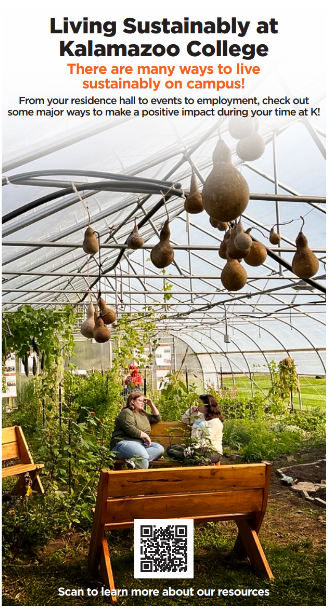
- Feedback from Climate Connection Series helped to create new orientation materials and programming about living sustainably at K.
- A new Dining Intern position was created, to begin Fall 2025.
- The ESC helped coordinate volunteer efforts with Oshtemo Township Parks.
- CAP Committee members attended the Heart of Stuart neighborhood meeting.
- The ESC made regular trips to KVCC Honorable Harvest lecture series during Fall 2024.
- ESC employees and CAP Committee members engaged in Imagine Kalamazoo events, including hosting a Meeting on the Go at the Arcus Center, and attending the Environmental Responsibility Focus Group.
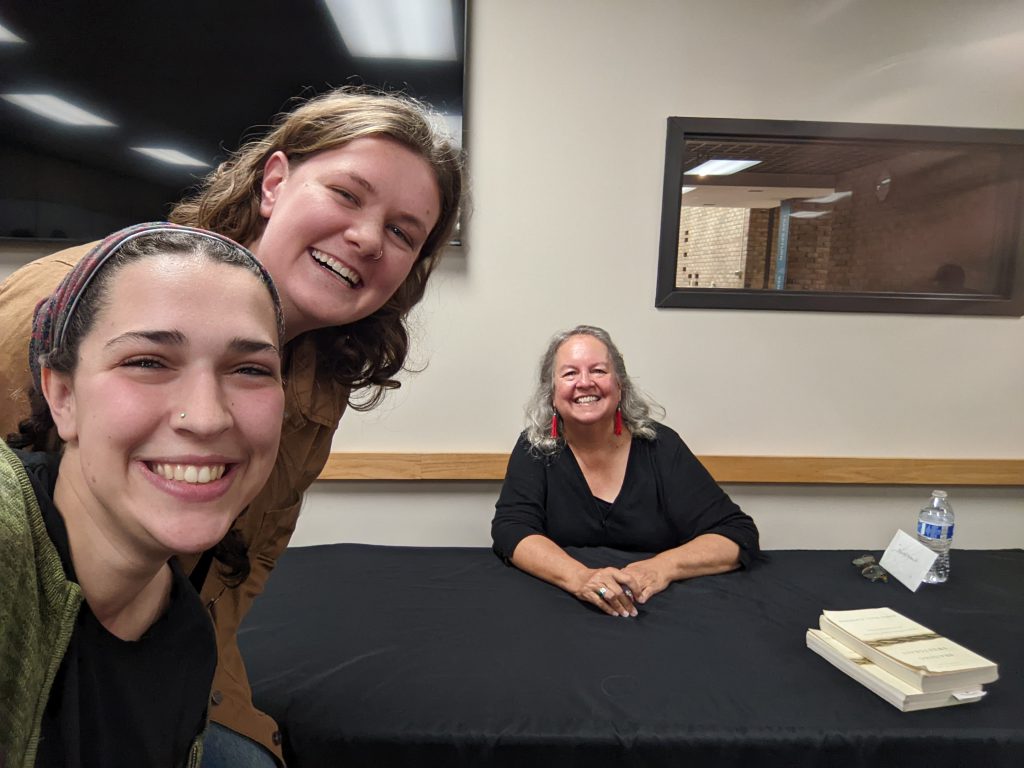
- The ESC helped students engage with author events, Robin Wall Kimmerer was announced as the KNC speaker in July 2024 and visited KVCC in fall 2024.
Summary
FY 2025 includes numerous “in-progress” sustainable projects, as well as major strides toward carbon neutrality and sustainable development, as evidenced by the design of the new residence halls.
The overall carbon footprint increased by in FY 2025 by 2.14%, which brings us back up to FY2023 levels. This increase may appear as a setback, but considering the 15% increase in colder weather, it demonstrates the efficiency of the new boiler systems at combatting more extreme weather conditions
In light of increased energy usage due to unpredictable weather, aging infrastructure, and the dehumidification and cleaning of the Fine Arts Building, the stability of our GHG emissions reveals the capacity of sustainable initiatives to offset energy consumption. Similarly, as post-pandemic campus habits led to increased waste production, the FY25 trend in solid waste produced has not increased due to effective waste stream management initiatives.
These trends are backed by significant progress within the Academic and Learning goals. Greater visibility of environmental initiatives and more opportunities for involvement, such as the Climate Connection Series and the First-Year Sustainability Forums, have led to greater student engagement with the CAP’s goals. There has been a push for faculty engagement through events like Climate Justice and Education Week, as well as waste-stream education resources for staff.
Get Involved
We would love to be in touch and work together to make meaningful and sustainable change on the Kalamazoo College campus. Please get in contact with us any of these three ways, and we will make sure to continue the conversation about getting involved with the CAP.